Описание
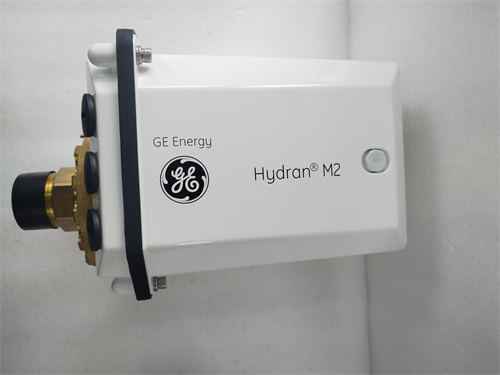
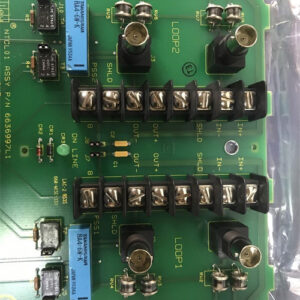
The GE+HYDRAN M2 DCS PLC Module refers to a Distributed Control System (DCS) and Programmable Logic Controller (PLC) module used for process automation and control in industrial settings. The HYDRAN M2 module is likely part of the GE (General Electric) automation portfolio, designed for managing a range of industrial systems, typically in industries like power, water treatment, chemical processing, and manufacturing.
Although this specific model, GE+HYDRAN M2 DCS PLC, doesn’t seem to correspond to a widely known product by that exact name, I can still provide a general understanding based on the GE Hydran M2 and DCS PLC systems typically used in industrial applications.
Product Name:
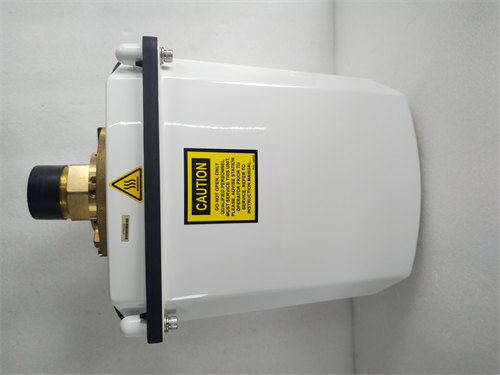
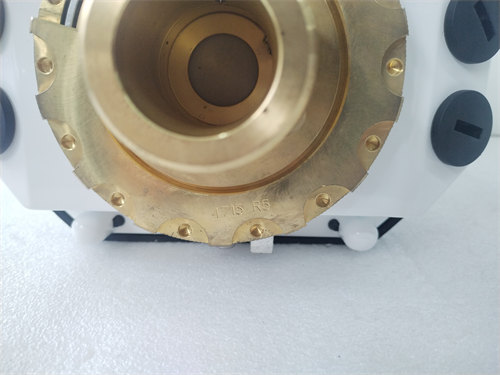
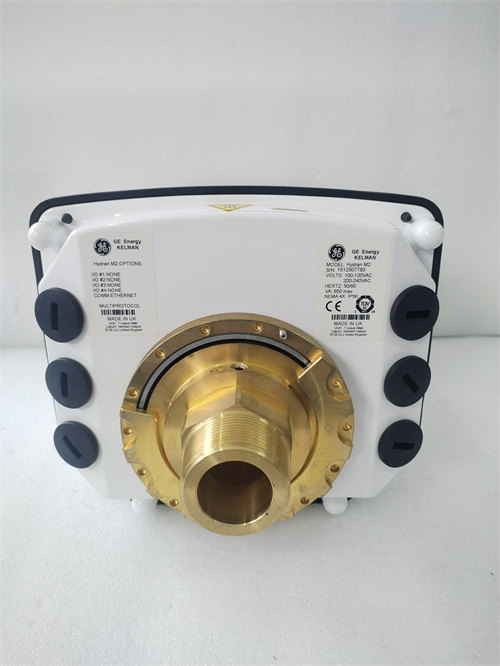
GE+HYDRAN M2 DCS PLC Module
Product Description:
The GE+HYDRAN M2 DCS PLC module is a hybrid industrial control module combining aspects of both Distributed Control Systems (DCS) and Programmable Logic Controllers (PLC). It’s used to manage and automate complex processes and machinery, offering flexibility in handling both continuous and discrete processes. This system would be commonly deployed in large-scale manufacturing, power generation, water treatment, or chemical processing facilities where high reliability and real-time monitoring are essential.
The HYDRAN M2 refers to a family of modules within GE’s industrial automation systems, with DCS providing centralized control over multiple processes and PLC offering more granular, real-time control at the field level.
These modules are designed to provide advanced process automation, allowing operators to monitor, control, and optimize performance across complex systems, ensuring that operations remain safe, efficient, and responsive to changing conditions.
Product Parameters & Specifications:
1. General Specifications:
- System Type: Hybrid DCS and PLC system, designed for both continuous process control (DCS) and discrete control (PLC).
- Manufacturer: General Electric (GE) in collaboration with HYDRAN.
- Application Area: Industrial control, process automation, power generation, manufacturing, water treatment, oil & gas, and chemical industries.
- Modular Design: The module is part of a larger, modular system, allowing scalability and flexibility to add more modules as needed.
- Form Factor: Typically rack-mounted or panel-mounted as part of the larger control system.
2. Electrical Specifications:
- Operating Voltage: Commonly operates on 24V DC, but specific configurations might support a range from 12V DC to 48V DC.
- Power Consumption: Varies based on specific configuration but typically consumes around 20-50W depending on the I/O count, processing load, and communication requirements.
- Signal Inputs/Outputs: Provides a variety of digital and analog I/O configurations. These may include:
- Digital Inputs: Typically, 24V DC logic level inputs for field devices.
- Digital Outputs: Can include relay outputs, solid-state outputs, or voltage-sink outputs.
- Analog Inputs/Outputs: Supports both 4-20mA and 0-10V signals for process measurement.
- Communication: Modbus, Profibus, or Ethernet for communication with other control systems or enterprise networks.
3. I/O Modules:
- Analog Inputs: Typically up to 16 or more channels, designed for signals from temperature transmitters, pressure sensors, or other analog process equipment.
- Digital Inputs/Outputs: Usually configurable, supporting 32 to 64 channels depending on the module and application.
- Relay Outputs: For controlling motors, valves, or other equipment that require an on/off switch.
- Discrete Inputs: For switches, push buttons, or other digital sensors.
4. Performance Specifications:
- Processing Power: The DCS component typically provides high processing capacity for handling complex control strategies (e.g., PID loops, batch control), while the PLC component is optimized for fast, real-time control of discrete processes.
- Response Time: Typically very fast, with scan times for PLC functions ranging from 2ms to 50ms depending on the complexity of the system.
- Sampling Rate: Analog input channels generally support up to 10 Hz or more, ensuring that fast changes in process conditions are captured in real-time.
5. Communication Protocols:
- Modbus TCP/IP: For communication between the PLC module and other control systems or equipment.
- Profibus DP: A commonly used industrial fieldbus for communication with remote I/O devices, motor drives, and other control systems.
- Ethernet/IP: For high-speed communication with SCADA systems, HMIs, and other supervisory systems.
- ControlNet: Often used for industrial control applications, enabling high-speed data exchange between modules and controllers.
6. Environmental Specifications:
- Operating Temperature: Typically between 0°C to 60°C (32°F to 140°F), depending on the model.
- Storage Temperature: Ranges from -40°C to 85°C (-40°F to 185°F).
- Humidity: Designed to operate in 0-95% non-condensing humidity conditions.
- Vibration and Shock Resistance: Typically designed to meet industrial standards for vibration and shock, suitable for use in industrial environments.
7. Safety and Protection:
- Surge Protection: Built-in protection against voltage spikes, such as from power surges.
- Fault Detection: Inherent diagnostics to monitor the health of the system and automatically alert operators to any issues.
- Isolated I/O: Ensures the module can function in electrically noisy environments without signal interference.
- Overcurrent Protection: Prevents damage to I/O modules by limiting current flow to the connected devices.
Applications:
The GE+HYDRAN M2 DCS PLC Module is versatile and used in industries where precise control over both continuous processes and discrete systems is necessary. Common applications include:
- Power Generation: Control of turbines, generators, and other critical power equipment.
- Oil & Gas: Monitoring and controlling pumps, compressors, valves, and pressure systems.
- Chemical Processing: Integration for controlling chemical reactions, temperature, pressure, and flow rates in reactors.
- Water Treatment: Automation of pumps, filtration systems, and chemical dosing.
- Manufacturing: Used for assembly lines, motor control, and machine sequencing in automated factories.
Advantages:
- High Reliability: GE’s industrial automation products are known for their durability and uptime in demanding environments.
- Flexible and Scalable: The modular design allows for easy expansion as the control system grows or changes over time.
- Hybrid Control System: Combines the best of DCS (for continuous processes) and PLC (for discrete control) into one system.
- Ease of Integration: Supports industry-standard communication protocols, allowing seamless integration with existing systems and devices.
- Advanced Diagnostics: Built-in diagnostics make it easier to detect and address issues, improving overall reliability and uptime.
Conclusion:
The GE+HYDRAN M2 DCS PLC Module is an essential tool for process and automation industries, offering flexible control and monitoring for both continuous and discrete processes. It allows organizations to manage complex systems, providing real-time data, alarm management, and predictive maintenance to ensure operational efficiency and prevent downtime.
For detailed technical documentation, including wiring diagrams, installation guides, or for specific software compatibility, it is recommended to refer to GE’s official documentation or contact their customer support.